Get your next client on autopilot
Inside AI Autopilot Academy you get my 27-day Claude Code mastery program with a 1-click install setup file, so you’re up and running on day one. Plus my GoHighLevel CLI, the Skool Automation MCP and Jarvis +. And you get a proven Claude Code content system to get your next client on autopilot.
Before you spend a dollar on ads, you should know whether anyone is searching for what you sell.
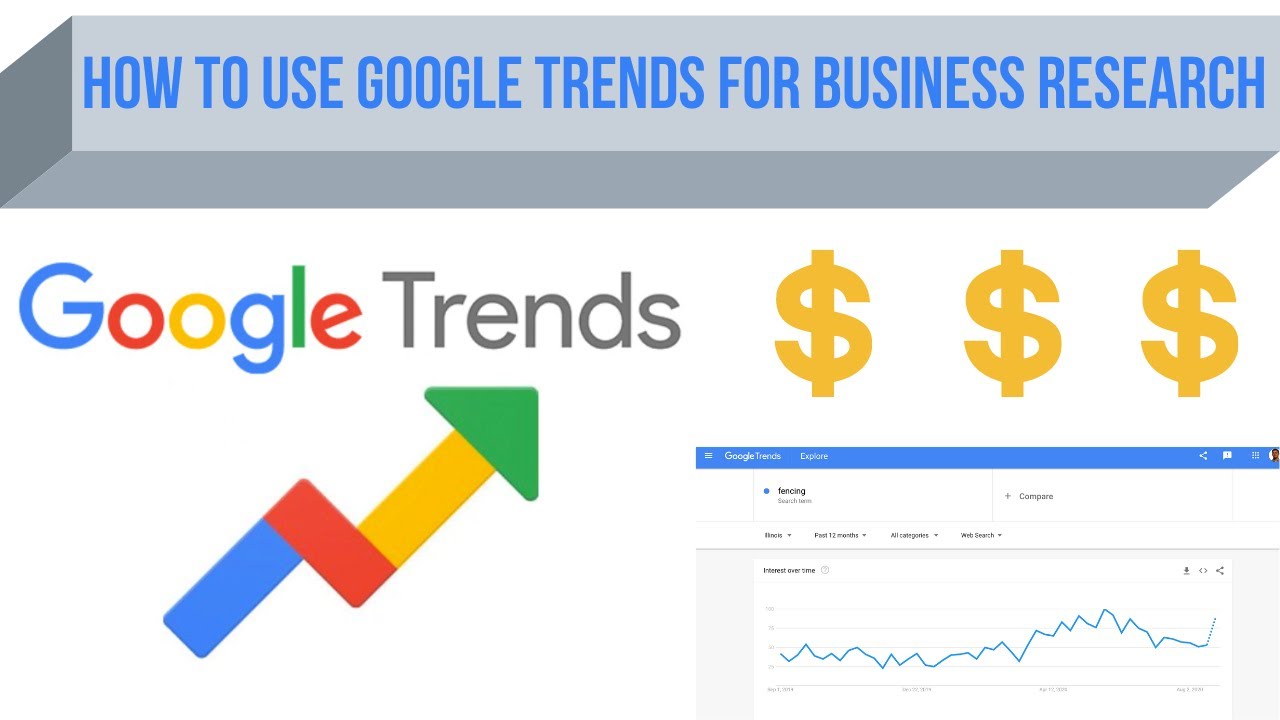
Google Trends answers that for free, and this post shows how to use Google Trends for it. I’m Charles J Dove, I run Charlie Automates, and in this 2020 walkthrough I showed how I use Google Trends for business research on local service niches: sod grass, brick pavers and fencing. The method works for any product or service you plan to advertise.
Why Use Google Trends for Business Research?
Use Google Trends because Google is the number one place people search for products and services. If you’re advertising restaurants, service businesses or an ecom product, you can work backwards from search behavior to see demand before you commit.
How Do You Use Google Trends to Read Seasonality?
Type a service into Google Trends, set the region to the United States, and look at the shape of the line. Sod grass comes up in spring, declines through mid-summer, has a slight spike at the start of fall, drops in winter and returns in spring.
That tells you when to run ads and when to skip them. If a service has a clear season, test during it and run the ads again at the same time next year.
What Is the 50 Line Rule?
My rule of thumb is that if a service stays above the 50 line for the remaining half of the year, it’s a good one to advertise. Brick pavers, for example, run hot and then come down around the 50 line.
For products I set things up differently, but services are seasonal, so I check this first. Florida tends to stay steady all year, even though it may dip around January. Michigan spikes and drops. Look back five years to see if the pattern is stable.
How Do You Choose the Right State or City?
Pick a place that’s popular but not overwhelmed. I recommend somewhere in the middle of the map: Virginia, for example, rather than the hottest or coldest state. The more a service is searched, the less per lead you tend to pay.
Then drill down:
- Click a state to see its cities. For one niche, Orlando and Fort Myers topped Florida.
- Check the 12-month view.
- Open related topics to customize your offer. Texas turned up backyard-related searches for the sod niche.
What About Fencing?
Fencing shot up in 2020. When COVID hit, people wanted privacy and work got done over the summer. In that run, Wyoming was hottest, peaking in June. It’s a good lesson in search psychology: the line reflects what people are living through.
Test What You Find
Google Trends tells you where to look, not what will convert. Run the ads, see the cost per lead, and repeat at the same season next year.
If you want to go deeper on keyword demand, my free OpenSEO MCP resource pulls Google web volume, difficulty and trend data right inside Claude Code.
Key Takeaways
- Check demand first. Google is where people search before they buy.
- Use the 50 line rule for services: stay above it for the rest of the year.
- Look at seasonality and time your ads to the peak.
- Choose a mid-pack state. Not saturated, not dead.
- Use related topics to tailor your angle.
- Test, then repeat next season.
Where to Go From Here
Get your next client on autopilot.
Join AI Autopilot Academy for my 27-day Claude Code mastery program with a 1-click install setup file, plus a proven Claude Code content system to get your next client on autopilot.
Related on charlieautomates.com:
Want the full system instead of piecing it together? Premium members of AI Autopilot Academy get my templates and skill packs in the Template Vault.
At my agency CC Strategic we build systems like this for business owners, and new builds drop every week on my YouTube channel @charlieautomates. More guides live at charlieautomates.com.
FAQ
What is Google Trends used for? It shows how search interest in a term changes over time and by location, so you can judge demand before advertising.
What does the 50 line rule mean? It’s my rule of thumb: for a service, if search interest stays above 50 for the rest of the year, it’s worth advertising.
Does Google Trends show search volume? It shows relative interest, not exact monthly volume. You need a third-party tool for exact numbers.
Is this still relevant? Yes. The examples are from 2020, but the method works on any niche today.